The tattoo cover-up process.
From old ink to a healed result.
Two real projects, documented through every layer. See what happens during the sessions, how the tattoos heal and how they look about a year and a half later.
Covering a ten-year-old tattoo.
The original tribal and floral tattoos covered a large upper-arm area. The angel composition was built in two layers: two consecutive days for the first layer, then a third session after healing.
Swipe to explore the process
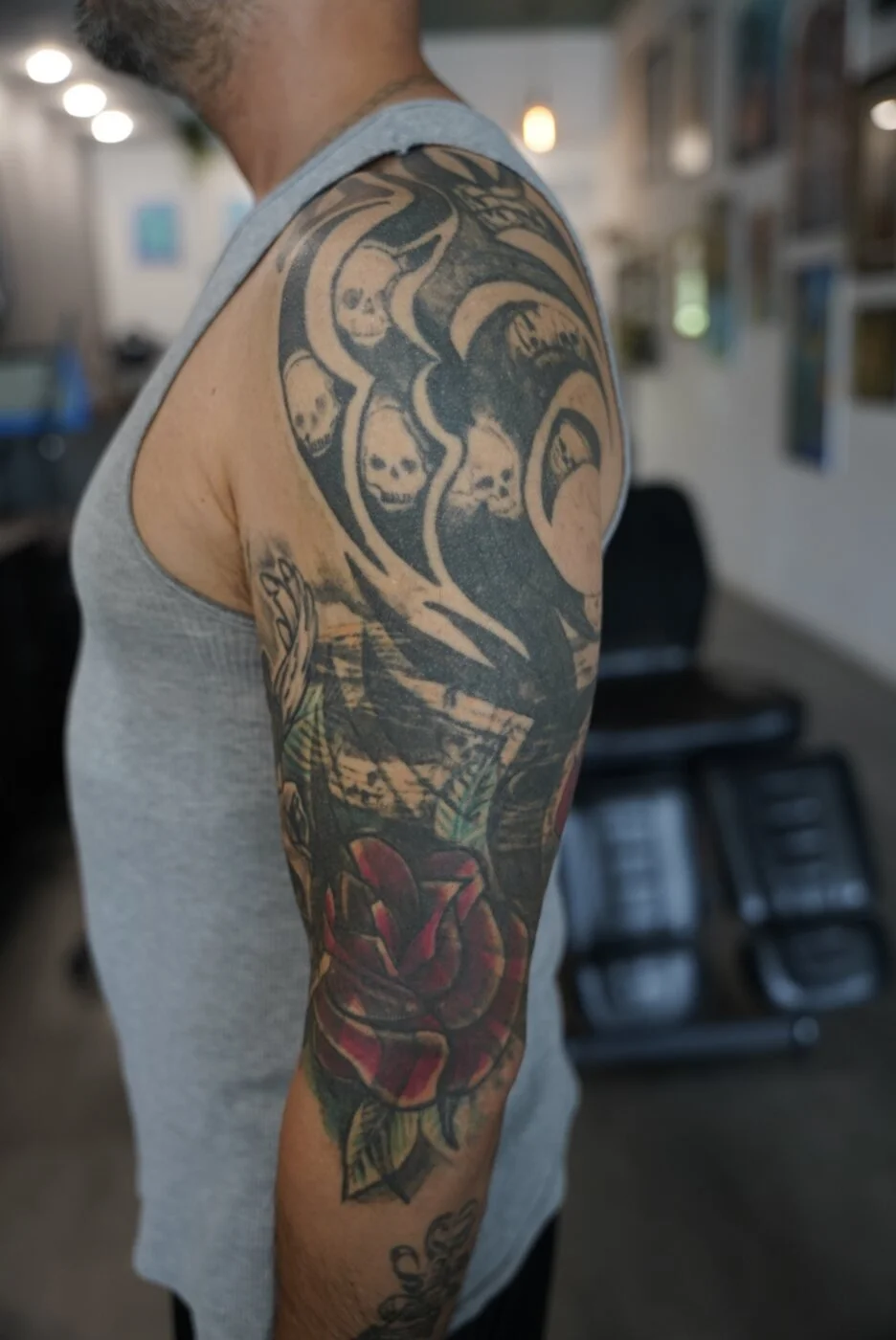
The original tattoo
A tribal tattoo about ten years old. Its density and placement guided the new angel composition.
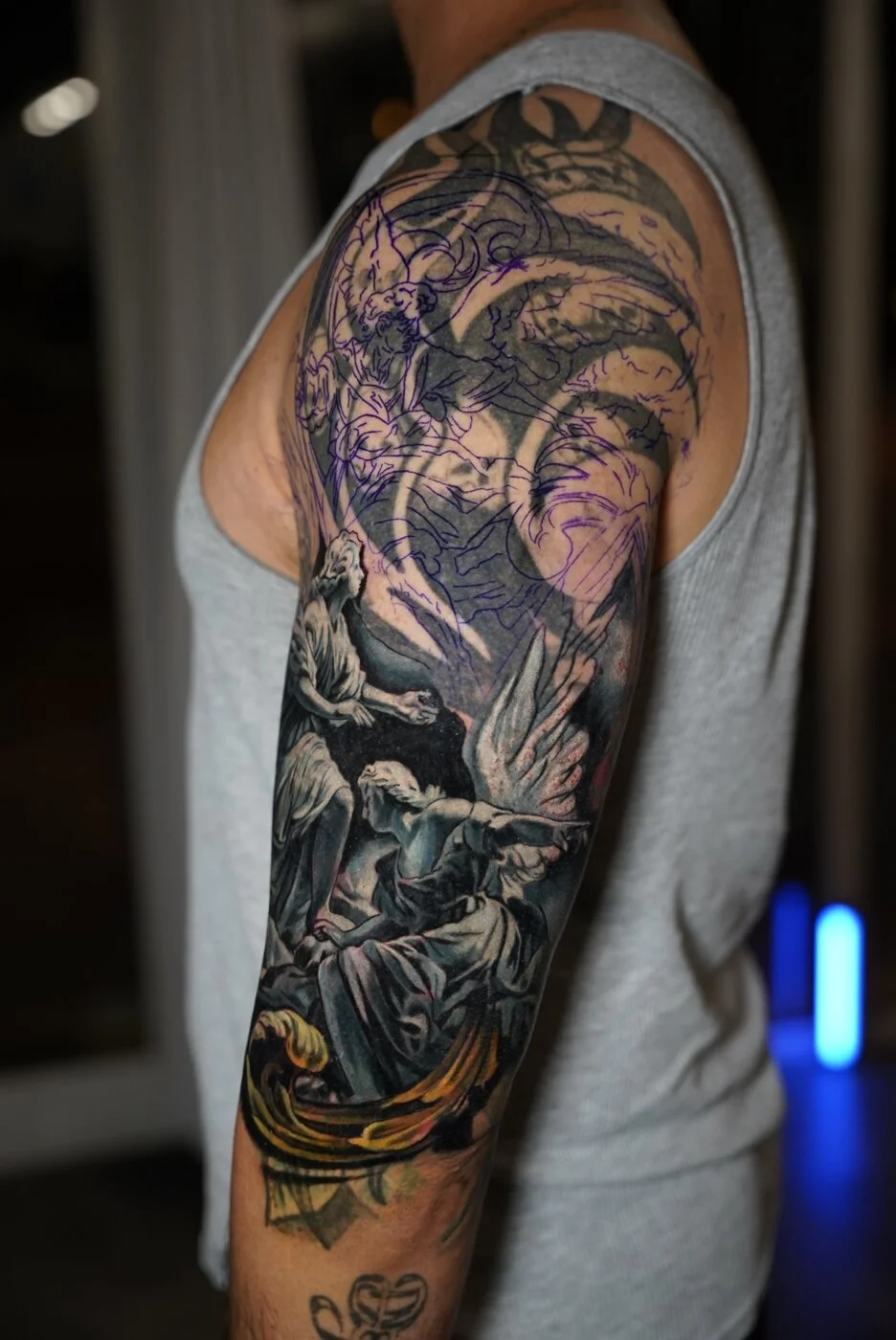
Starting the cover-up
The first day establishes the lower scene and the values needed to cover the existing ink.
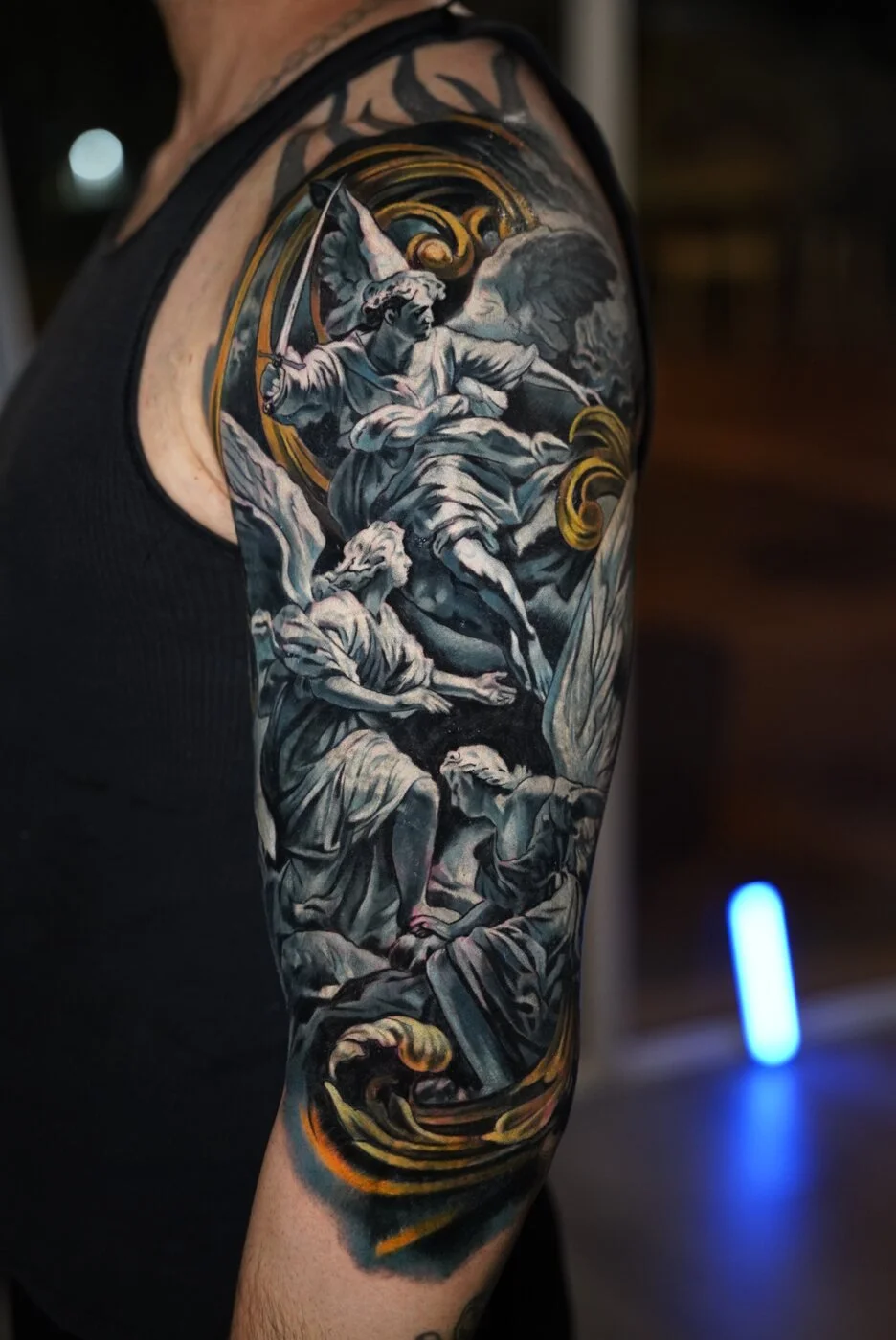
Completing the first layer
The second consecutive day completes the upper-arm composition. Two sessions, one first layer.
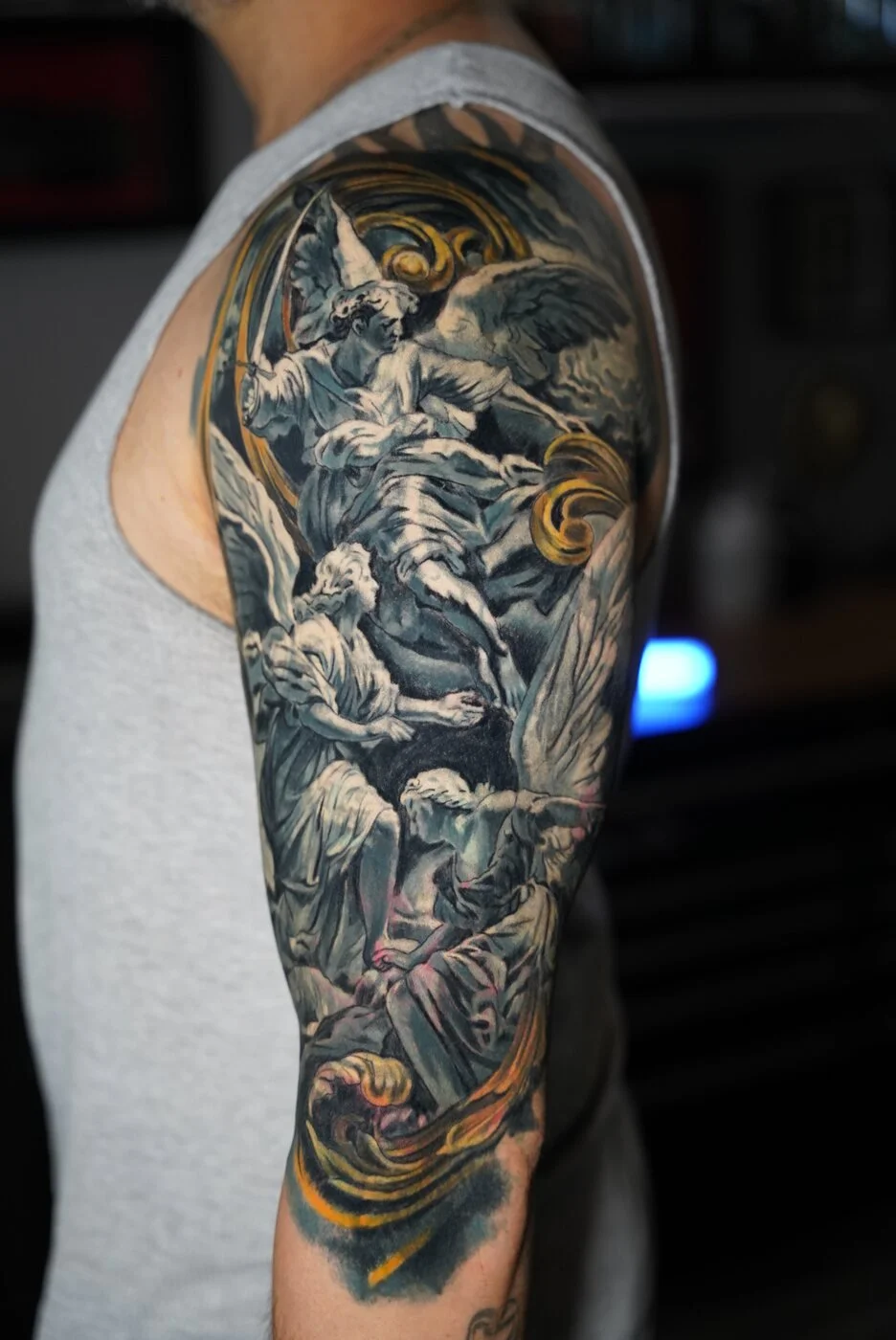
Assessing how it settled
The first layer is shown healed, before the next layer. This is when we evaluate coverage and contrast.
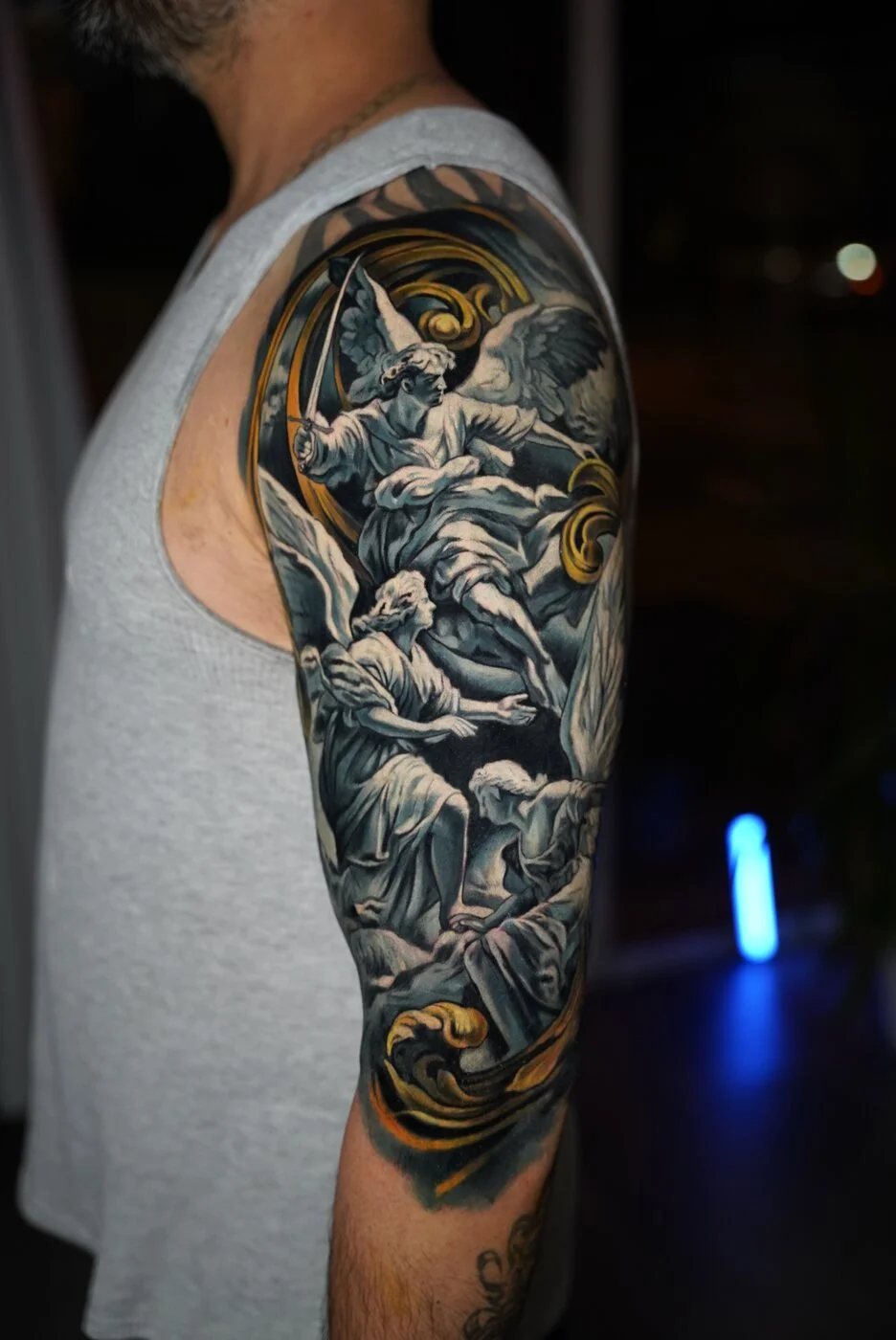
Building the final layer
After healing, the second layer strengthens coverage, color and definition across the project.
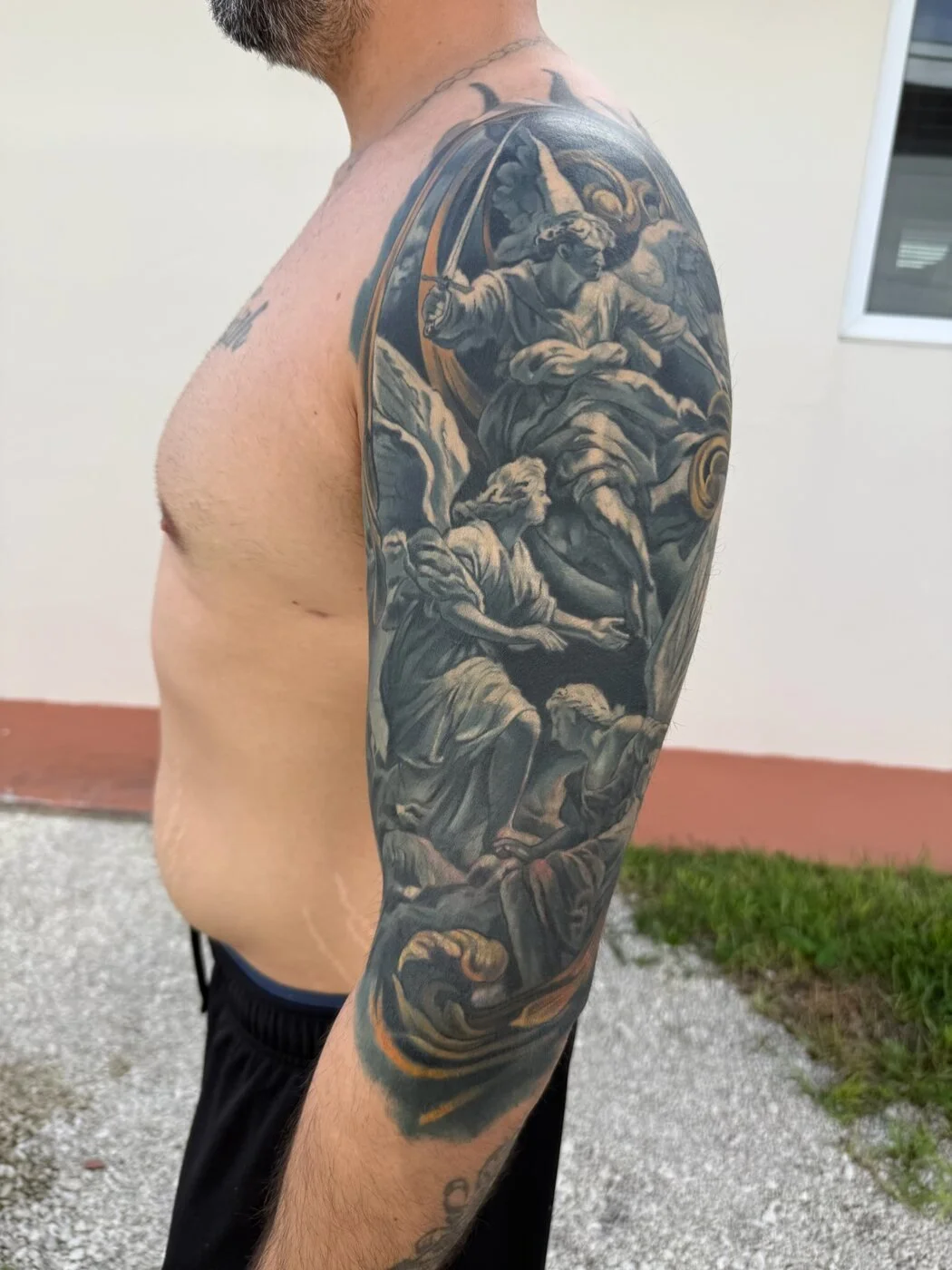
The client’s daylight photo
A photo sent by the client, showing the settled result in daylight about two months later.
“I used to wear long sleeves in the middle of summer. Now I’m pointing at my arm telling strangers about Yorlandi.”Franz J · excerpt from his Google review
About 1½ years later.
A natural-light video shows how the angel cover-up settled over time. This is the healed tattoo in motion, rather than a fresh studio photo.
Healed video is available below.
A new composition across the shoulder.
This large cover-up also required two consecutive days to complete its first layer. After the tattoo healed, a third session added the second layer. Follow the five photographed stages below.
Swipe to explore the process
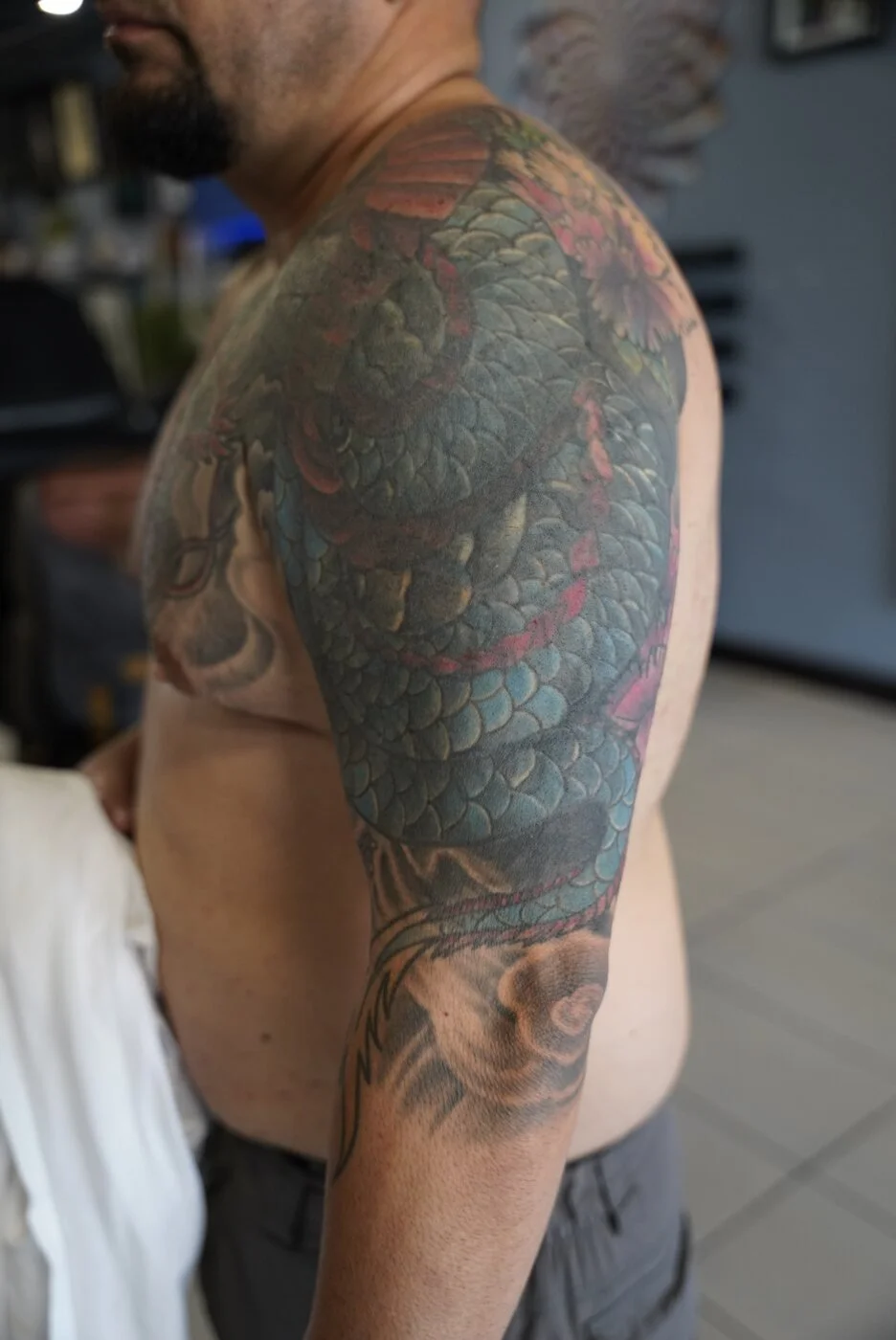
The original tattoo
The existing upper-arm tattoo before the Buddha cover-up. The new design is planned around this ink.
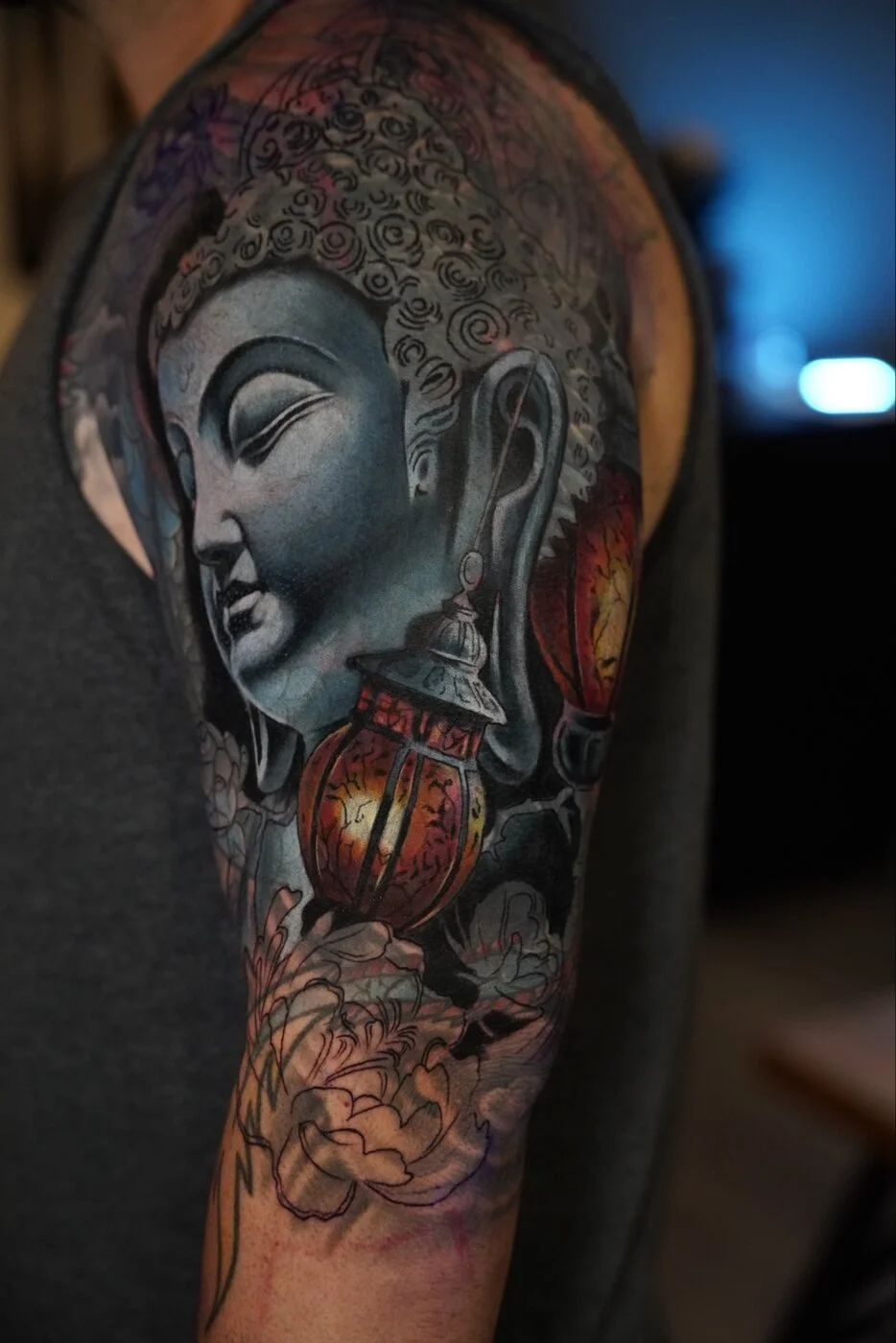
Starting the first layer
The first day establishes the Buddha, lanterns and the new composition across the shoulder and upper arm.
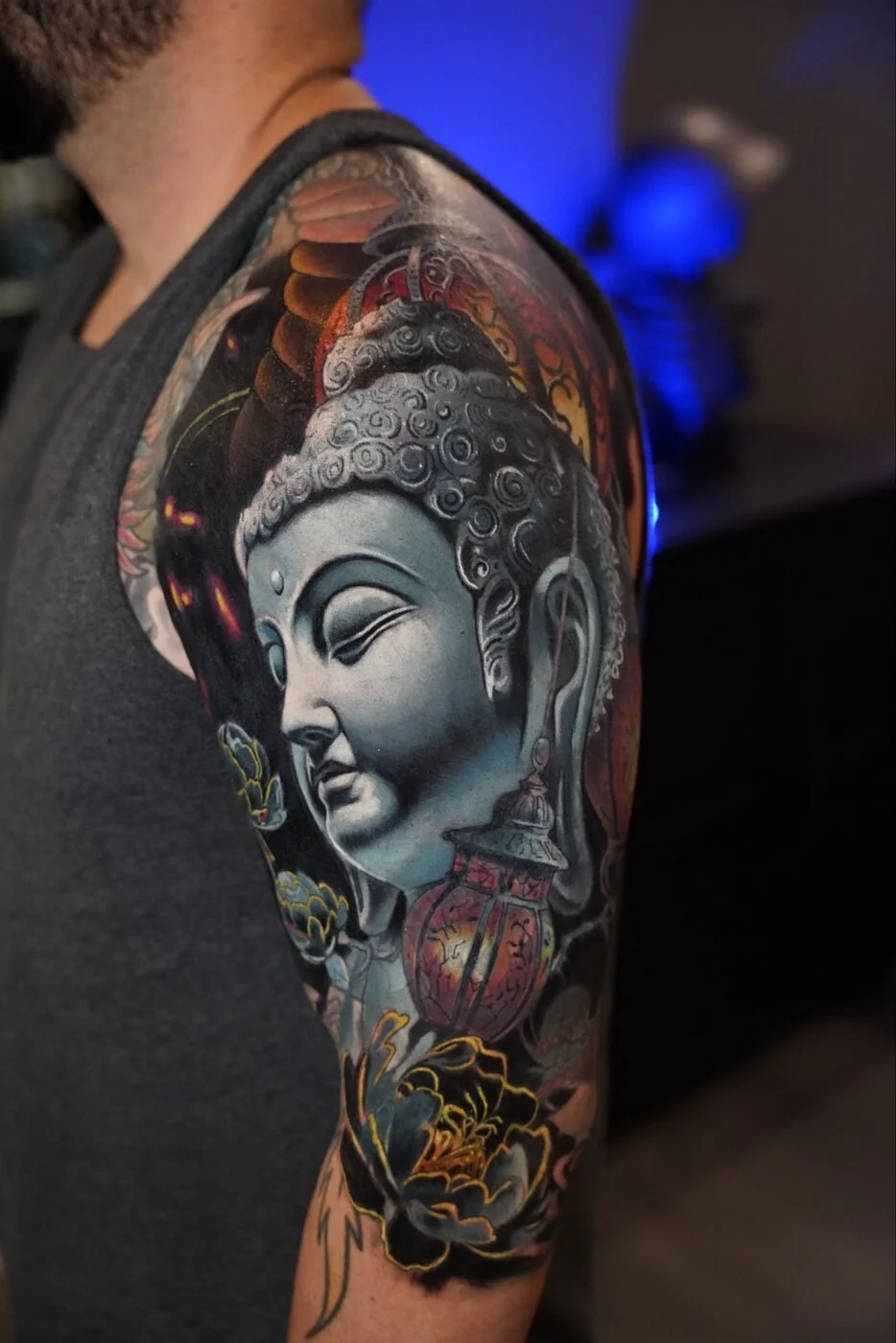
Finishing the first layer
A second consecutive session completes the first layer over this large area.
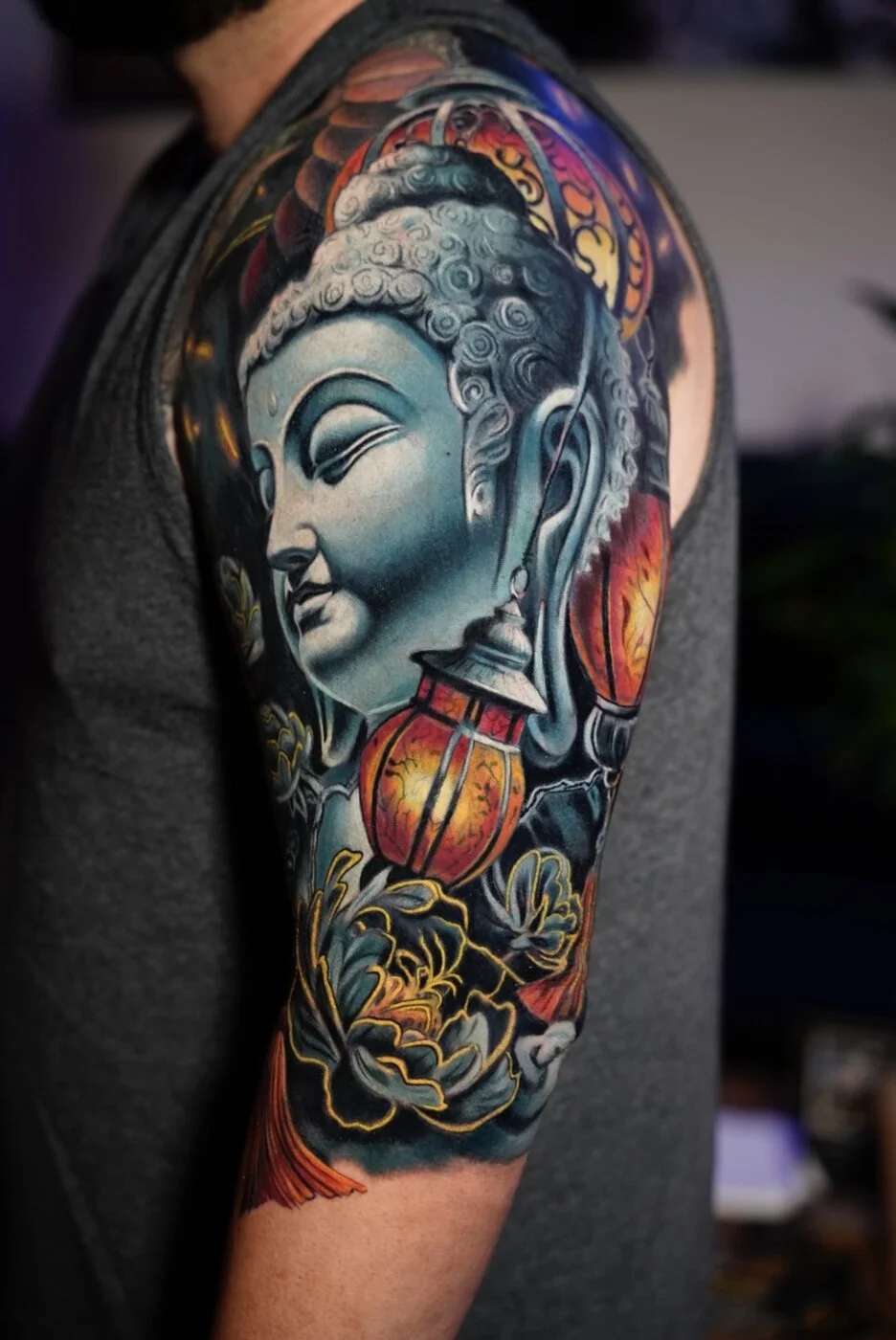
Adding the second layer
After the first layer healed, a third session adds the second layer for stronger coverage and detail.
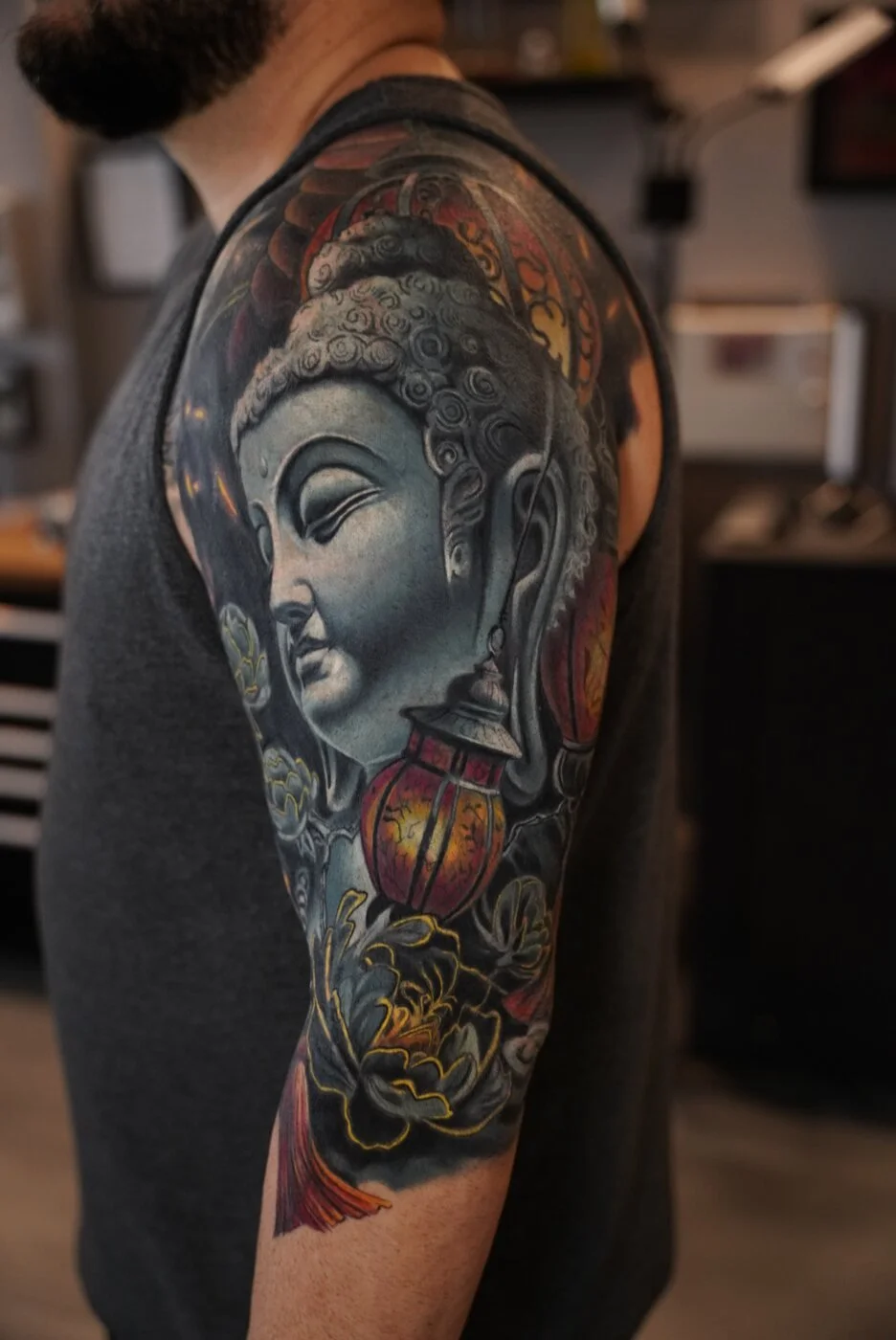
The settled result
The cover-up shown healed about two months after the second layer.
About 1½ years later.
The later natural-light video documents this second project after long-term healing. Skin and aftercare influence how every cover-up settles.
Healed video is available below.
A session is a workday.
A layer is a stage of coverage.
Build the foundation.
A large panel can need two consecutive sessions to complete one first layer. Two days of work do not necessarily mean two layers.
Let the skin settle.
At least one month is needed between layers, and the skin must be healed before returning. Some projects need a longer interval.
Review and strengthen.
We assess the healed first layer, then refine coverage, contrast and detail. The next step depends on how your own skin responds.
Two days.
The first layer.
Step inside a recent cover-up project, filmed across two consecutive days at Black Nova Tattoo Collective in Miami.
This timelapse shows the first layer—not the final healed result. After healing, the tattoo is reassessed before the second layer.
2 consecutive sessions · 1 first layerFour panels. One connected story.
Each numbered area is a panel of the sleeve. Each panel carries a scene within the same theme.
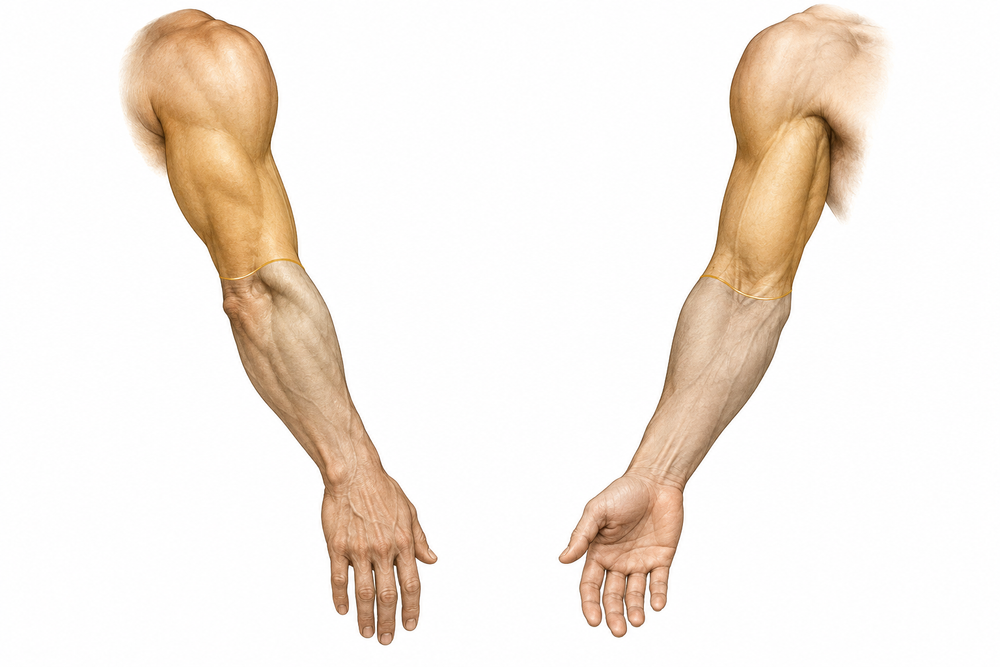
Shoulder to elbow, on the outside.
Elbow to wrist, on the outside.
Inner biceps, from shoulder to elbow.
Elbow to wrist, on the inside.
A fully tattooed arm may take around 8–10 sessions, with approximately two layers per panel. The outer upper arm can require extra time. This is a planning guide; I confirm a realistic estimate after reviewing your existing tattoos.
What you need to know.
How do you decide whether a tattoo can be covered?
I review its age, size, darkness, placement and your skin. Older ink may have softened, while dense or recent tattoos can make the process more complex. Skin tone affects how contrast and color values read. No single factor guarantees coverage.
Laser is not required for every project. For some tattoos, lightening may help; other projects may not suit my approach. I review your photos before accepting the work.
Why don’t you send finished designs before the appointment?
Your idea and theme guide the project, but not every composition can cover existing ink. I need creative freedom to adapt the placement, values and flow. We review the design together at the start of the appointment and make any needed adjustments.
What happens during a full-day session?
We generally start around 10 a.m. A full-day appointment is about 10–12 hours, including design review and breaks for food, rest and the restroom. Bring comfortable black clothing, headphones and your phone. The studio has a relaxed atmosphere.
I do not use numbing creams in my process. I use Bactine as part of the session.
How do healing and follow-up work?
I use Recovery Derm Shield and provide instructions for your specific session. Follow the supplied aftercare guidance, and contact me if the dressing leaks, lifts or causes a reaction. I stay in touch by message or phone to review healing and plan the next layer.
Cover-ups can be a long process. A check-in after one or two years helps us decide whether a further refresh is useful; it is assessed individually.
Plan your project.
$1,500 per session
Approximately 10–12 hours. The number of sessions is estimated after I review your tattoo. A deposit reserves the date and is credited toward the total; cancellation and transfer terms are confirmed when booking.
Start with clear photos.
Send the existing tattoo, its approximate age, placement and size, along with your idea and preferred dates. I’ll assess the project and explain the next step.
Submit your cover-up projectHEALED RESULTS, OVER TIME
Both cover-up projects are shown healed about a year and a half later. Healing and long-term color vary with each person’s skin and aftercare, so a follow-up refresh may be recommended.
Natural-light view of the first cover-up result, healed for more than a year.
Natural-light view of the second cover-up result, healed about one and a half years later.